


Finding the right family law attorney can feel overwhelming when you’re facing divorce, child custody, or any other family legal issue.
The attorney you pick will guide you through one of the most challenging times in your life, so choosing carefully really matters.
A qualified family lawyer should have specialized experience in family law, clear fee structures, strong local knowledge, and excellent communication skills to handle your case effectively.
Choosing the right family lawyer means doing some research and weighing a few key factors that could shape your outcome.
This checklist helps you spot the most important qualities in a local family law attorney.
You’ll see how to check their credentials, understand their billing, and notice red flags before they become big problems.

Start with the basics when looking for a family law attorney. These will save you time and help you avoid expensive mistakes.
A family law specialist knows the rules and details that general lawyers often miss.
They handle divorce, child custody, and support cases regularly, not just once in a while.
General lawyers often lack deep knowledge of family court procedures.
They might know basic law but overlook details that could affect your outcome.
Family law specialists understand:
Find attorneys who spend at least 75% of their time on family cases. Ask how many divorce cases they handled last year—don’t be shy.
Board certification matters if your state offers it. Certified family law attorneys pass extra tests and meet higher standards.
Check their website and ads. If you see “personal injury” or “criminal law” mixed in, think twice.
Hidden costs can wreck your budget and add stress you really don’t need. Good attorneys lay out their fees clearly from the start.
Get everything in writing before you sign anything. Verbal promises? Not enough if things go sideways.
Look for these fee details:
Red flags to watch for:
Many attorneys offer free consultations for family law cases so you can talk about fees before committing.
Compare a few different attorneys. The cheapest isn’t always the best—sometimes you get what you pay for.
Local knowledge gives you an edge. Attorneys who work in your county know how things really get done.
Each judge has preferences for how they want cases presented. Local attorneys know these quirks and use them to your advantage.
Court clerks process paperwork differently everywhere. Local attorneys file things right the first time and avoid delays.
Local advantages include:
Ask attorneys:
Out-of-town attorneys sometimes charge extra for travel and might not know local rules. That can mean extra costs and headaches.
Pick someone who works in your county courthouse all the time. Their relationships and know-how will help your case from day one.
N. Lawrence Hudspeth III can walk you through your divorce, custody, or support concerns with clarity and calm guidance. Take the first step toward resolution. Contact us.
If you’re ready to get started, call us now!

An attorney’s specialization and valid credentials show if they’re really equipped to handle your case.
Checking their license and confirming their family law experience protects you from hiring someone who’s not up to the task.
Family law takes specific know-how. Look for attorneys who spend at least 75% of their time on family cases.
Key specialization signs:
Ask if they’ve handled cases like yours. Someone great with high-asset divorces might not be the best for a simple custody tweak.
Extra certifications in family law are a plus. Some states have board certification for specialists—those folks have extra training and experience.
Check their law school and graduation year. New grads might not have much courtroom experience, while seasoned attorneys know the ropes.
Start with the state bar association’s website. Every licensed attorney should show up there.
Verify these basics:
The attorney license search tools can show law schools and graduation dates in many states.
Look for any complaints or past trouble with the bar. Minor admin stuff isn’t a big deal, but ethics violations are a red flag.
If the online info looks off, call the state bar. Staff can confirm their license and answer your questions by phone.
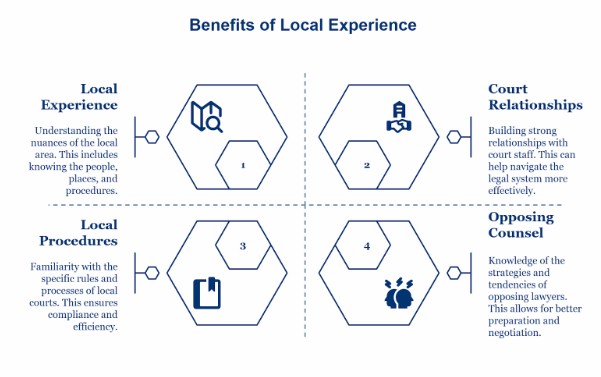
Local attorneys know the ins and outs of your regional courts and how judges handle family law cases in your area.
They get which arguments work with certain staff and can guess how local procedures will affect your case timing.
A local family law attorney knows the personalities of area judges. Some judges want long written motions; others just want a quick oral argument.
This knowledge shapes how they approach your case.
Local attorneys regularly work with court clerks, mediators, and staff. These relationships can speed up paperwork and help with scheduling problems.
Every court has its quirks. Local attorneys know which forms judges prefer and how long motions usually take.
Experienced local attorneys know the other family lawyers around town. They can predict negotiation styles and strategies, which helps a lot in settlements.
When you interview attorneys, ask about their local experience.
Try these questions:
Ask for examples of recent cases like yours in the same court system. A real local attorney can share specifics about timing and process.
Find out if the attorney knows local child psychologists, financial advisors, or other experts you may need.
Local court experience can shape custody outcomes by connecting you with the right people.
Clear billing practices help you avoid nasty surprises and make it easier to budget for legal help.
Attorneys should explain their fee structure right away and send detailed bills as your case goes along.
Family lawyers usually bill by the hour, on a flat fee basis, or on a retainer. Hourly rates can range from $150 to $500, depending on their experience and where you live.
Ask about court filing fees, expert witnesses, document copying, and travel. These extras can add up fast.
Monthly bills should list what work was done and how long it took—no mysteries.
Find out whether you’ll need to add more money and whether work will stop if you don’t.
This should spell out all costs, billing practices, and payment terms before you sign anything.
Your case deserves focused attention and clear communication; with N. Lawrence Hudspeth III handling your family law matter, you stay informed and supported. Schedule an appointment.
If you’re ready to get started, call us now!
Good communication and organized case handling set excellent family lawyers apart from the rest.
A lawyer who keeps you informed and manages your case efficiently can make a huge difference in both your outcome and your stress level.
Ask potential attorneys about their preferred communication methods and how quickly they usually respond.
Most lawyers should reply to emails within 24-48 hours. For urgent matters, they ought to return phone calls the same day.
Find out how often they give case updates. Weekly or bi-weekly updates work best for most family law cases.
Some attorneys send automated status reports. Others like to make personal calls instead.
Ask about their case management system and how they track progress. Well-organized lawyers often use software to keep track of deadlines and other important dates.
Request details about how they communicate about fees. They should explain costs up front and let you know before doing anything that might add extra charges.
Notice how quickly attorneys respond during your first consultation. If they take days to reply, that pattern won’t improve later.
See if they explain legal stuff in plain language. Good family lawyers break down complex legal terms into words you can actually follow.
Check if they keep detailed records of meetings and outcomes. You can even ask to see samples of how they document your case progress.
Look for lawyers who lay out clear expectations about timelines and next steps. They should tell you what to expect at each stage.
Pay attention to how organized their office and staff seem. A messy office usually means messy case handling, honestly.
If you want a productive consultation, come prepared. The right documents and a few targeted questions will help attorneys size up your case and give better advice.
| Document to Bring | Why It Matters |
| ID, marriage license, custody or separation agreements | Helps verify key details |
| Financial records (W-2s, pay stubs, tax returns) | Needed to calculate child support/alimony |
| Court filings, prior orders, and communication records | Prevents delays and duplicate work |
| List of questions + goals | Ensures you leave with a clear plan |
This one goes straight to the attorney’s background. Ask about similar cases they’ve handled, what happened, and how recently they’ve worked on matters like yours.
Getting a realistic sense of what to expect helps you plan. The attorney should walk you through possible scenarios and how long things might take.
Family law consultation discussions need to cover fees from the start. Ask about hourly rates, retainers, and any additional costs, such as court fees or expert witness fees.
Some attorneys stick to email, others pick up the phone. Ask how often they update clients and how quickly they usually reply to questions.
The attorney will tell you what paperwork to bring. Initial consultation prep often means gathering financial records, court orders, and your ID.
A good attorney lays out clear action items. They’ll explain what needs to happen first and any urgent deadlines you can’t miss.
Picking a family law attorney isn’t easy. Some warning signs should make you pause or even run the other way.
Poor Communication is a huge problem. If an attorney takes forever to return calls or emails, that’s likely how they’ll treat your case, too. You deserve someone who gets back to you promptly.
Unrealistic promises should set off alarms. Family law attorneys who guarantee outcomes aren’t being honest—nobody can promise results in family court.
Lack of transparency about fees is another big issue. Attorneys need to be upfront about billing. If they dodge questions about costs, look elsewhere.
Other red flags to watch for:
Aggressive or combative behavior in your first meeting? That’s a bad sign. Sure, you want strong representation, but over-the-top tactics are red flags that could actually hurt your case.
Limited availability might mean the attorney is spread too thin. If they seem too busy to meet or talk things through, they probably won’t have time for your matter.
Trust your gut. If something feels off during your consultation, don’t be afraid to keep looking.
N. Lawrence Hudspeth III has built a strong reputation in Jacksonville after decades of family law work and specialized credentials. His practice serves both military and civilian families across Onslow County.
N. Lawrence Hudspeth III is a board-certified family law specialist, certified by the North Carolina State Bar Board of Legal Specialization in 1989.
This certification indicates he has advanced knowledge of family law matters. It’s not something you just pick up overnight.
He’s practiced law in North Carolina for more than 35 years. That’s a long time to get to know the ins and outs of the local courts and how things really work.
Key Practice Areas:
He’s appeared extensively in the courts of Onslow County and surrounding counties. That kind of courtroom experience? It matters when you need practical advice.
His practice serves military clients and spouses, as well as non-military clients. With Jacksonville’s big military community, his specialized knowledge of military family law issues comes in handy.
The firm sits at 814 New Bridge Street in Jacksonville. It’s easy enough for local families to find.
Take control of your situation today with a local attorney who listens, guides, and protects your goals — N. Lawrence Hudspeth III, Attorney at Law. Contact us.
If you’re ready to get started, call us now!
What should I look for when choosing a family law attorney?
Look for an attorney who specializes in family law, has local courtroom experience, offers clear fee structures, and communicates proactively. The best attorneys can explain your options, timeline, and likely outcomes during the first consultation.
How do I know if a family law attorney is reputable?
Verify their bar license, check for board certification in family law (if available in your state), review testimonials, and confirm they routinely handle cases like yours. A reputable attorney provides transparent fees and avoids making unrealistic promises.
What questions should I ask during a consultation with a family law attorney?
Ask:
You should leave the consultation with clear next steps and a written fee agreement.
Why is hiring a local family law attorney important?
A local attorney knows the county court’s procedures, filing expectations, and judge preferences—giving them strategic insight. This familiarity can reduce delays and help set more realistic case expectations.
Should I hire a general practice attorney or a family law specialist?
A family law specialist is typically the better option for divorce, child custody, support, and mediation matters. Specialists have deep experience with family law statutes and courtroom dynamics, while generalists divide focus among multiple areas.
What red flags should I watch for when selecting a family law attorney?
Avoid attorneys who:
Good attorneys set realistic expectations and communicate regularly.
What documents should I bring to my first meeting with a family law attorney?
Bring ID, financial documents (pay stubs, tax returns), marriage/custody records, and any prior court documents. These give the attorney enough context to evaluate your case and provide accurate guidance.
Office

Links