

Choosing a career shapes many aspects of life, including your odds of staying married. Not every marriage faces the same hurdles, but research shows that some jobs come with a significantly higher divorce risk than others.
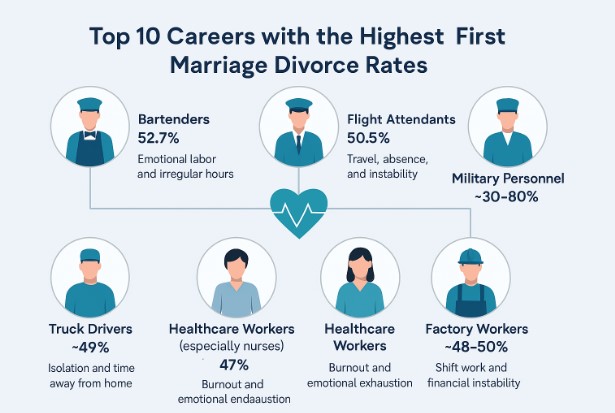
According to the U.S. Census Bureau and labor research data, careers with the highest first marriage divorce rates include gaming managers, bartenders, flight attendants, and military personnel.
These occupations often involve irregular schedules, high emotional labor, or physical distance—all of which can strain relationships and increase divorce risk.
People working unpredictable hours, dealing with high stress, or spending a lot of time away from home often encounter relationship trouble.
Bartenders, flight attendants, and machine operators, for example, tend to have higher divorce rates because of the demands and environments of their jobs.
Learning which careers come with the most relationship challenges—and why—can help you think carefully about work and life choices.
Occupation can impact your chances of divorce, especially in a first marriage. Some jobs are associated with higher separation rates due to long hours, irregular schedules, emotional stress, and lower pay.
National surveys show divorce rates vary a lot by career. Entertainment, hospitality, and gambling—think gaming managers—are way up there for divorce percentages.
Meanwhile, actuaries and physical scientists have the lowest divorce rates in the country.
The U.S. Census Bureau has tracked divorce by job, and some occupations almost double your risk compared to the national average. They’ve tables for approximately 500 job roles, and the trends barely budge from year to year.
First marriages, especially, are often affected by work stress. Newlyweds are still figuring out how to balance their home life and work responsibilities.
High-stress jobs can cause emotional distance and missed family events. That leads to poor communication at home.
Younger couples may not yet possess all the necessary coping skills. If job stress is high, even small arguments can blow up fast.
Frequent fights, feeling unsupported, and plain old exhaustion can lead to feelings of loneliness or resentment. If both partners have demanding schedules or weird hours, they might barely see each other, which makes it tough to bounce back from rough patches.
Income matters a lot. Census Bureau research found that folks earning under $50,000 have divorce rates about 70% higher than those making $100,000 or more.
Money can help alleviate the financial stress that often strains marriages. Long work hours, night shifts, and extensive travel make it challenging to maintain family routines.
Jobs with lots of overtime or “on-call” time mean you’ll probably miss important family moments. Emotional labor—like teaching, nursing, or social work—adds another layer of stress. Even with a steady paycheck, it’s hard for some folks to “leave work at work.”
Not all jobs bring the same level of workplace drama. High-conflict gigs—like law enforcement, sales, or food service—can drain you emotionally.
That stress often follows people home. In contrast, jobs like data analysis, library work, or sciences are usually calmer, with fewer people drama and more predictable hours.
It’s not just about how much conflict you deal with, but whether you can “switch off” when you leave work. If you can, you’re less likely to drag that tension into your marriage.
Some careers put people face-to-face with trauma or burnout all the time. Emergency responders, healthcare workers, military folks, and therapists see more traumatic events or emotional exhaustion than most.
This can lead to anxiety or depression, which adds stress at home. Over time, people may develop “compassion fatigue”—basically, they go numb to others’ needs.
At home, that might mean withdrawal or mood swings. Spouses may feel neglected, especially if both partners are stressed. Sometimes, couples need to seek professional help just to cope.
But if resources are scarce or workplace culture frowns on talking about stress, marital problems can pile up.
If your career is putting pressure on your marriage, L. Hudspeth Family Law can help you navigate divorce with clarity and control. Schedule your confidential consultation today.
If you’re ready to get started, call us now!
Some jobs spell trouble for first marriages. High stress, long absences, and tough work environments all put serious strain on relationships.
Personal schedules, emotional labor, and burnout risks manifest as marital instability in tangible, noticeable ways.
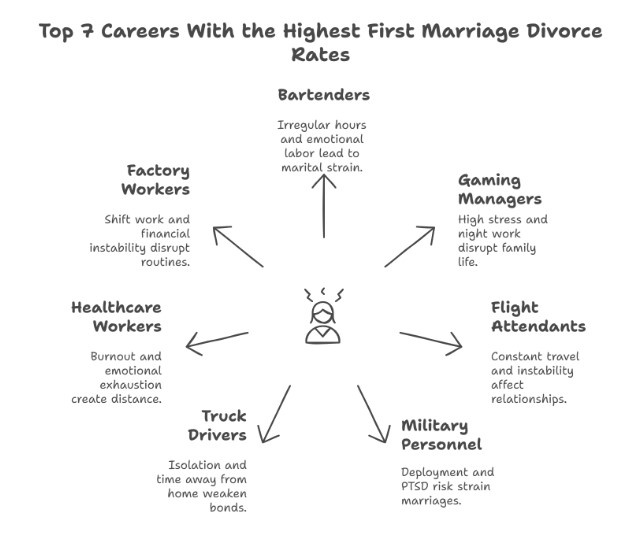
Bartenders have one of the highest divorce rates for a reason. Late nights and weekend shifts can disrupt family life, and they often find themselves interacting with customers in social settings.
They do a lot of emotional work, listening to patrons’ stories and managing moods. Being around alcohol and nightlife can tempt people or stir up relationship issues.
When one partner is gone during typical family times, marriages can suffer. Irregular pay adds another layer of stress, making it hard to plan for anything long-term. Honestly, it’s a tough environment for a stable marriage.
Gaming managers, especially in casinos, face a higher divorce rate than most. They supervise gambling operations, handle large sums of money, and deal with constant pressure.
Night shifts and long hours are the norm, so family time takes a hit. The casino never closes, so work often clashes with family events.
There’s also the stress of handling gambling, financial temptations, and tricky social situations. Schedules that keep changing or ruin holidays can wear couples down.
Flight attendants face constant travel, extended absences, and unpredictable schedules. Time zone changes and overnight stays in random cities make family life tricky.
Unusual work hours disrupt routines and make childcare a challenge. If you’re never home, it’s challenging to maintain strong emotional connections.
There’s also the reality of romantic and social temptations on the road. Job instability, like sudden layoffs, adds financial stress. For parents, juggling family needs becomes even more challenging.
Military members, especially enlisted operators and supervisors, have a higher risk of divorce in their first marriage. Deployments keep couples apart for months, making daily life unpredictable.
Combat stress and PTSD can mess with emotions and communication, even after coming home. The military often determines where families live, resulting in frequent moves.
Being separated from kids and partners disrupts routines. Adjusting to civilian life adds more challenges. It’s just a lot to handle all at once.
Truck driving is tough. Drivers spend weeks away from home, often in total isolation.
Lonely stretches on the road can take a toll on mental health. Missing birthdays or holidays becomes normal. Sometimes, drivers sleep in their trucks or cheap motels, which doesn’t help their home life.
Pay can be unpredictable, depending on the number of miles or loads. Most communication with family happens by phone, and that lack of face-to-face time can make marriages vulnerable.
Healthcare workers, especially nurses and medical assistants, show notably high divorce rates. Long shifts, night work, and physically demanding tasks are just part of the job.
Nurses on rotating shifts often burn out due to the constant demands of patient care and the emotionally challenging situations they encounter. Balancing work and family is no small feat, especially with all the variable hours.
Emotional exhaustion creates distance at home. Add in unpredictable pay, overtime, and scheduling headaches, and it’s no wonder marriages feel the strain.
Factory workers, including laborers and carpenters, typically work rotating or overnight shifts. That makes maintaining family routines difficult.
Job stability isn’t always a given, especially if a plant shuts down. Wages can be inconsistent, and the work itself is physically tiring.
For animal caretakers and service workers in factories, shift swaps and mandatory overtime eat up family time. Planning for anything—let alone family events—is tough with unpredictable hours and pay.
Some careers just create pressures that make first marriages more likely to fall apart. These include rough schedules, not enough time together, unpredictable routines, money worries, and sometimes, substance abuse issues.
Long absences from home strain emotional bonds. Careers with overnight or multi-day shifts—such as truck driving, nursing, or military service—can make spouses feel distant or unsupported.
Military families, especially, can go months or even years without seeing each other. That’s a tough ask for any relationship.
An emotional connection needs regular communication and shared time. When one partner spends most of the week away, emotional gaps tend to widen.
The lack of shared daily experiences means couples have fewer opportunities to discuss life or resolve minor issues before they escalate. It’s hard to feel like a team when you’re living separate lives.
Separation sometimes pushes one or both partners to seek support outside the marriage. Over time, trust issues and loneliness creep in, raising the risk of divorce.
Frontline jobs, such as trucking and the military, often exhibit higher-than-average divorce rates, partly due to the challenges they present.
When couples have different work schedules, shared routines fall apart. Hospitality and retail workers often work nights, weekends, or holidays, so coordinating free time with their partners can be a challenge.
If one partner is working while the other is at home, shared meals, outings, and bedtime routines simply don’t happen. It’s easy to lose those little moments that glue a relationship together.
Routine helps families build habits of connection and stability. Without regular shared time, nurturing closeness gets tricky.
Missed family activities and inconsistent time together chip away at the sense of partnership. It’s tough to feel like a team when you’re always out of sync.
Professions with irregular or demanding work shifts are associated with higher divorce rates. Achieving a work-life balance often feels nearly impossible without some overlap in daily schedules.
Jobs with on-call duties, surprise overtime, or frequent shift changes create chaos at home. Healthcare workers, emergency responders, and restaurant staff often face last-minute changes or long hours away from home.
Intimacy needs trust and stability. Couples need privacy, regular dates, and time to talk without rushing.
Unpredictable schedules force partners to cancel plans, miss important events, or feel let down by unreliable routines. That’s a recipe for disappointment.
Frequent changes in work hours make planning family time or vacations almost impossible. This uncertainty only adds to relationship stress and leaves less room for affection.
Restaurant workers and emergency services jobs often show up in studies as having higher rates of marital breakdown.
Low pay and unpredictable income can take a toll on marriages. Fields such as bartending, retail, and entertainment often operate on an hourly basis, with variable hours or seasonal work.
When paychecks don’t line up, couples struggle to budget, pay bills, or save for emergencies. Financial stress sparks arguments and anxiety.
It’s also one of the biggest reasons couples split up in the United States. A lack of money or job security makes couples feel uncertain about the future and hesitant to plan for children or a home.
Certain jobs come with high stress, trauma, or a culture that normalizes substance use. Food service, construction, and law enforcement are among the major industries here.
Stressful workplaces can nudge workers toward unhealthy coping, like drinking or drug use. Substance abuse wrecks trust and daily life, leading to arguments, legal trouble, missed work, and neglect at home.
In the worst cases, it brings emotional or physical harm to partners or kids. Studies show that jobs with high divorce rates often come with above-average risks of addiction or substance misuse.
The mix of low pay, pressure, and easy access to alcohol or drugs just makes things worse.
Table: High-Stress Jobs and Divorce Risk Factors
| Occupation Type | Common Stressors | Divorce Risk Factors |
| Food Service | Long hours, low pay | Irregular income, substance use, lack of routine |
| Military | Deployment, trauma | Long separations, emotional distance |
| Healthcare | Shift work, emergencies | Unpredictable schedules, stress |
| Trucking | Travel, isolation | Long absences, loneliness, and safety risks |
| Emergency Services | On-call shifts, trauma | High stress, substance use, and missed family events |
Work stress manifests in marriages in various ways, from emotional exhaustion to poor communication. Some careers with tough schedules, high stakes, or danger bring more tension home.
Jobs that involve caring for others—like nursing, social work, probation, or corrections—often burn people out. This emotional strain doesn’t always stay at work.
Partners in these fields come home drained, unable to engage or support their spouses. Mental exhaustion from helping others can lower patience and empathy at home, so even small disagreements can escalate.
When one partner is consistently stressed, it becomes more challenging to maintain positive interactions. Research shows high-stress jobs are linked to higher divorce rates, partly because burnout blurs the line between work and family life.
Chronic stress symptoms can build up, creating distance between spouses.
When one partner works long hours, unpredictable shifts, or is on call, the other often ends up handling more at home. You usually see this in healthcare, law enforcement, and corrections.
Over time, being the “default” parent or household manager breeds resentment. It just feels unfair, especially if the working partner is too tired or unavailable to pitch in with chores or parenting.
Key stress points:
Even couples who try to coordinate often hit a wall, especially with constant overtime or emergencies.
Long shifts, stressful situations, and emotional overload make it almost impossible for some couples to engage in quality conversation. Correctional officers and first responders often come home too tired to talk.
They might zone out, avoid conflict, or just withdraw. When communication breaks down, small problems fester and eventually escalate into significant issues.
Poor communication is one of the top reasons couples in high-stress jobs cite for divorce. If neither partner feels heard or supported, growing apart gets way too easy.
Communication challenges commonly seen:
Some careers push a work-first attitude. Lawyers, executives, and some public servants get told that constant availability is a must for success.
This mindset slowly erodes time for relationships. Missed date nights, skipped family dinners, and constant “urgent” emails pile up.
Eventually, one partner feels less valued or like they always come last. That’s a rough place to be.
Typical relationship stressors:
This imbalance leads to dissatisfaction and neglect, pushing partners further apart.
Soldiers, police officers, firefighters, and some corrections staff can develop PTSD from traumatic job experiences. PTSD symptoms include nightmares, irritability, avoidance, and emotional numbness.
PTSD shakes family stability. A partner might withdraw, lash out, or act distant under stress.
This often leaves the other spouse feeling isolated or helpless. It’s a tough cycle to break.
Marital impacts of PTSD:
Couples in these careers report some of the highest divorce rates. Mental health support is essential, but it’s not always easy to access in these roles.
Military families face unique challenges—L. Hudspeth Family Law provides dedicated support for child custody and separation planning. Reach out now to discuss your options.
If you’re ready to get started, call us now!
Careers with the lowest divorce rates tend to share some clear qualities. They usually offer stability, predictable hours, and reduced daily stress, which helps people maintain a strong family life.
Some professions—such as clergy, software development, and actuarial science—have significantly lower divorce rates. Clergy often receive support from shared community values and regular schedules, which help maintain strong family bonds.
Software developers typically work stable hours and may occasionally have the opportunity to work remotely. Actuaries crunch numbers in low-stress settings most of the time.
Unlike jobs with long or irregular shifts, these roles provide people with more time and energy for their families. Clergy may have some unusual hours, but strong community ties can also support marriages.
Certain office-based roles, such as tax examiners and engineering technicians, also have lower divorce rates due to their regular routines.
Low-risk jobs usually share three things:
These traits help people juggle work and home life more smoothly, keeping the risk lower. Office roles and technical jobs, such as automotive service technicians or drafters, often fall into this low-risk group.
When your routine lines up with your partner’s, life just feels smoother. Careers like those in chemical or engineering technology allow couples to spend evenings and weekends together.
That means more shared meals and time for family or friends. It’s not just convenient—it’s good for relationships.
Work-life boundaries get clearer when jobs have set hours. Logisticians and administrative services managers, for example, can usually leave work at work.
This makes it easier not to bring job stress home. Families get the regular attention they deserve.
Key benefits of shared routines:
Education level and income significantly influence the risk of divorce. Jobs with low divorce rates, such as those in actuarial science or medical and health services management, typically require more education and offer stable compensation.
Higher education often teaches skills like communication and problem-solving. That helps a lot in relationships.
Higher professional status means less financial stress, which removes a common reason couples cite for splitting.
Many expert drafters, tax examiners, and engineering technicians say their jobs offer more security and job satisfaction, which in turn eases stress at home.
Jobs with higher pay and education are generally associated with lower divorce rates.
Flexibility is becoming a bigger perk in careers with lower divorce rates. Software developers, actuaries, and some office machine repairers can work from home or adjust their hours.
This makes it easier for couples to handle childcare or attend important events. Remote work options allow families to spend more time together, and flexible hours make it possible to maintain shared routines.
Even automotive service technicians and library assistants sometimes have scheduling choices that reduce family conflict. The trend toward flexible work is helping more families balance jobs and relationships.
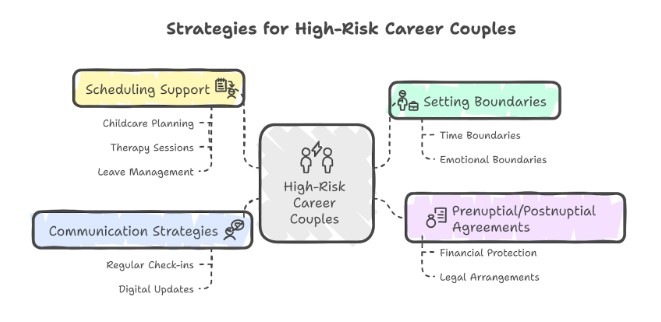
High-stress or travel-heavy jobs bring their marital challenges. Couples can employ both legal and emotional strategies to mitigate those risks.
Boundaries matter, especially if one or both of you have long hours or unpredictable schedules. You can decide to keep work calls away from family dinner or set up a quiet room for work at home.
Both partners should agree on expectations for personal time and togetherness. A shared calendar helps coordinate important dates and commitments.
If your job means frequent night or weekend shifts, try to plan at least one family activity each week. It’s not always easy, but it makes a difference.
Boundaries aren’t just about time—they’re emotional, too. Talk about what’s off-limits for work talk at home, and be honest if you need some alone time after a tough shift.
Prenuptial or postnuptial agreements can protect both parties if things go south. This is especially true in high-income fields or jobs where an individual’s earnings may fluctuate significantly.
It’s smart to consult with a family lawyer and draft a fair agreement. These agreements can set terms for dividing property, debt, and income, including future assets from raises or bonuses.
You don’t have to be rich to benefit from these agreements. Professions with high burnout or legal risk, such as medicine, law, and law enforcement, often require clear financial arrangements in the event of divorce or job loss.
Managing home and work needs takes planning. Couples in demanding jobs should create a plan for reliable childcare.
Build a list of trusted backup options, such as family, neighbors, or vetted babysitters. It’s a lifesaver when schedules clash.
Therapy isn’t just for when things go wrong. Even scheduling regular individual or couples sessions when life feels fine builds skills for handling stress later.
Some employers offer employee assistance programs that cover or provide discounts for counseling. It’s worth looking into.
Plan for leave during emergencies or significant life changes. If both of you have limited flexibility, formal agreements about when and how to take family or medical leave can prevent misunderstandings.
Frequent travel and deployment make communication tough. Couples in these jobs should schedule regular check-ins via text, video calls, or any other method that works for them.
Military families and long-haul commuters often use specialized apps or secure messaging services to stay in touch, even across time zones or privacy barriers.
A weekly digital or written update on household issues keeps both partners informed. Before long separations, sit down and talk through expectations, boundaries, and emergency contacts—it helps with the anxiety.
Balancing career ambitions and relationships requires planning, and establishing routines for communication is a surprisingly practical way to maintain strong emotional bonds across distance.
Sometimes, legal or mediation support becomes necessary, especially when you can’t resolve conflicts over money, parenting, or relocation just by talking it out.
It’s a good idea to establish a relationship with a mediator early, so it’s less intimidating if issues escalate.
Watch for warning signs: repeated arguments about the same issue, feeling stuck, or changes at work that disrupt family plans without mutual agreement. In jobs with relocation or unpredictable travel, get legal advice before making big decisions.
Mediators and attorneys can help draft solutions for custody, finances, or property without involving the court. Early intervention typically saves a significant amount of emotional and financial pain down the road.
Couples can also check out tips on making career decisions together if their jobs start putting extra stress on the relationship.
Divorce rates vary significantly depending on one’s occupation. Some jobs simply pile on the risk, primarily due to long hours, stress, or schedules that never seem to settle down.
Those factors can make it challenging to maintain stability at home. It’s not always easy to find balance when your job’s always pulling you in different directions.
Bartenders, gaming managers, and flight attendants usually see the highest divorce rates. Meanwhile, actuaries, physical scientists, and clergy report much lower numbers.
Key factors that might push divorce risk up in some jobs:
Here’s a table with a few examples:
| Higher Divorce Risk Jobs | Lower Divorce Risk Jobs |
| Bartenders | Actuaries |
| Gaming Managers | Physical Scientists |
| Flight Attendants | Clergy |
If you’re picking a career, it’s worth thinking about how the job might affect family life.
When your job affects your relationship, understanding your legal rights is crucial. Contact L. Hudspeth Family Law for information on divorce and mediation services. Contact us to schedule your appointment.
If you’re ready to get started, call us now!
What occupations have the highest divorce rates?
Bartenders, gaming managers, and flight attendants have the highest divorce rates among U.S. professions. Divorce rates in these careers exceed 50%, often due to irregular hours, emotional labor, and high job-related stress.
Why does your job affect your marriage?
A person’s occupation can impact their marriage through long work hours, frequent travel, job-related stress, and emotional fatigue. These factors reduce quality time with a spouse and can weaken communication and intimacy.
What is the average divorce rate for first marriages in the U.S.?
The average divorce rate for first marriages in the U.S. is approximately 33%, though this can vary significantly based on occupation, education level, and age at marriage.
Do military jobs have a higher divorce rate?
Yes. Military personnel, especially those in active duty or combat roles, face higher divorce rates—ranging from 30% to 80%—due to deployment, long separations, and the emotional toll of service.
What professions have the lowest divorce rates?
Careers with the lowest divorce rates include actuaries, software developers, and clergy. These jobs often offer stable schedules, higher incomes, and reduced emotional strain, contributing to stronger marital stability.
How can couples in high-risk jobs protect their marriage?
Couples can reduce their risk of divorce by setting clear boundaries, maintaining open communication, and utilizing legal tools such as prenuptial agreements. Seeking therapy or mediation early can also prevent conflict from escalating.
Office

Links